What is digital signage?
Digital signage is a type of electronic display that shows information, advertising, and other messages. It is usually found in public places, such as shops, restaurants, and airports.
Digital signage
Updated On: January 16, 2023 | Published On: September 16, 2022 |

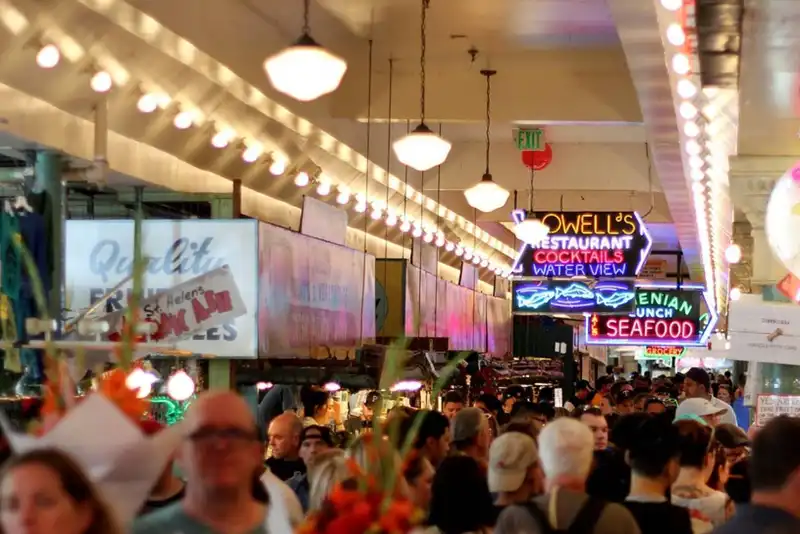
Digital signage is a type of electronic display that shows information, advertising, and other messages. It is usually found in public places, such as shops, restaurants, and airports.

Sometime in the mid-2010s, Pizza Hut deployed an interesting tabletop at some of its stores. The tabletops were interactive. They let customers view menu offerings at the outlet, choose a pizza, and customize the toppings with simple gestures or swipes on the innovatively designed tables. One of the latest digital signage software technologies the brand was using, it was developed in partnership with Chaotic Moon Studios.
The core of any successful business involves strategies used to market its products well. This does two things -- informs the target group of the product line-up and disseminates new information.
Digital signage is a sub-segment of the larger out-of-home advertising market. Digital signage includes static and video displays that show digital content, including anything from menus to advertisements, news and weather updates. Businesses use digital signage solutions to communicate with their customers and employees. These installations can be found in a wide variety of settings, including restaurants, retail stores, office buildings, schools, airports, train stations, and hospitals.
Digital signage displays or electronic signage displays use digital display devices to cast media. They've become a popular tool for marketing, particularly in the post-Covid era. Digital signage displays are created using a set of hardware and software solutions to transmit relevant content in several formats -- videos, photos, texts, and audios.
What's a digital signage strategy? There's no one-size-fits-all answer to this. After all, every business has its own goals and objectives. But largely speaking, common goals of a digital signage strategy include increasing customer engagement, improving efficiency, reducing wait time, and promoting specials or new menu items.
To achieve these goals, restaurants may use many different digital signage solutions, such as interactive display kiosks, tabletop screens, video walls with special items or even digital menus. The idea is to find the right solution for your specific needs and goals. Ultimately, smart digital signage is a great way to promote a restaurant and increase customer engagement, as Pizza Hut did by integrating interactive tabletops. Or how McDonald's integrated digital menu boards at many of its outlets globally in 2021. These digital menu boards not only let the customers scan the menu and place orders, but also promoted new menu items.
There are a couple of ways to plan your restaurant's digital signage strategy, but the most common strategy has a few linear rules, including-

Intelligent, cloud-based reporting meets enterprise-class reliability.
Meet PLUM Point of Sale, an affordable and reliable alternative to traditional Point of Sale software.

A business can use digital signage software to deliver targeted messages to specific customer groups, helping you to improve communication and better understand their needs. These display boards can provide customers with up-to-date information about your business, such as special offers or a change in operating hours. Many fast casual and quick service restaurants have started using digital signage at their drive-thrus to guide customers through the process of placing orders and inform them about special offers of the day or week.
Here are a few ways you can use electronic signage to improve communication with your customers and sell more in the bargain-

Digital signages are not just about 'hanging a screen on the wall'; they go beyond that. Some of the best digital signage systems provide an excellent opportunity to build your brand identity. Everything matters, from how you hang the screen to how you use it at different venues like a pop-up, and how you integrate it with your existing restaurant management systems like the point of sale. You are creating maximum impact when you make sure that your signs are consistent with your other marketing material and include your logo and brand colors.
In Quarter Two of 2022, Yodeck Digital Signage conducted a survey to gauge the effects of digital signage on the restaurant business. 84% of restaurant business owners surveyed believe that digital signage makes their brand more recognizable to consumers.
There are endless ways to use electronic signage improve the branding at your restaurant. Here are just a few ideas-
There are a number of ways to use digital signage solutions to increase sales and average spend. Digital signage can increase your restaurant's turnover by promoting special offers or menu items. For example, Burger King uses in-store advertising with its digital screens located throughout Burger King restaurants. These electronic signages play ads for the other products the brand offers (such as ice-cream), leading to more purchases.
Another way is to use digital screens to create a sense of urgency by displaying countdown timers or showing how many items are left in stock. Additionally, digital signage can upsell to customers by displaying information about complementary products. Digital signage can also be used for loyalty programs by prompting customers to scan their loyalty cards or enter their phone numbers to receive points or rewards. There are many case studies to validate this claim. In fact, the Yodeck survey revealed that 77% believe digital signage increases sales.
Here are a few ways to go about it-
Intelligent, cloud-based reporting meets enterprise-class reliability.
Meet PLUM Point of Sale, an affordable and reliable alternative to traditional Point of Sale software.

Whether ordering through a kiosk (an interactive digital screen) or scanning through menus on a digital board at a drive-thru, digital or electronic signages provide ample opportunity to enhance customer experience. Initially, big multi-chain restaurants like Burger King, McDonald's, Taco Bell, and others were the only ones adopting the technology. But during the pandemic, when it was mandatory to follow social distancing rules, many restaurants embraced this trend by implementing digital ordering kiosks at their locations.
Kiosks, for example, have streamlined the ordering process and helped customers get their food faster. Additionally, they free up employees, allowing them to provide better customer service elsewhere in the restaurant. Drive-thru menus on digital boards ensure everything is clear and easy to read. Digital signage has helped make these menu boards more user-friendly, which helps improve the customer experience and encourages people to purchase more.
Digital signages can also be used to create an efficient kitchen display system. They can be used effectively to improve communication in the kitchen and create an efficient display system. A few ways to use kitchen display boards effectively is by posting recipes, cooking tips and other information that would help cooks in the kitchen. This can save them time by making the information they need readily available to them, and can also help them improve their skills.
By placing digital signage near food preparation areas, cooks and waitstaff can quickly and easily see updated information about menu items, specials, prep times, and cooking instructions. Digital signages can also relay important customer requests or changes to the back-of-house staff. All of this, ultimately, helps serve customers better and increases footfall.
There are many different types of digital signage system available, so choosing the right solution for your needs is important. For kitchens, it is always best to use waterproof and grease-resistant displays that can withstand high temperatures.
There are a few points to consider when setting up a digital signage system for your kitchen-

The first step to setting up digital signage displays is to procure all the hardware, software, and other resources you need. It's always a good idea to spend enough time researching before making a choice. For instance, you may need to choose between a touch-screen and a regular display. If your business needs customer interaction, it is always better to choose a touch-screen and a cloud baseddigital signage solution. For example, employing an easy to usetouch screen kiosk at a restaurant will make ordering and payment processing a breeze. If you need to disseminate information, use regular LED displays, which are easier on the pocket.
It may appear simple, but a great deal of technology is involved in making a digital signage system effective. At a broad level, a digital signage display system can be divided in the following categories-
Intelligent, cloud-based reporting meets enterprise-class reliability.
Meet PLUM Point of Sale, an affordable and reliable alternative to traditional Point of Sale software.

There are a few ways to create digital signage for free. One way is to use a free online service such as Canva or Google Slides. Another way is to create your own digital signage using software such as PowerPoint or Adobe Photoshop.
There are many ways to create digital signage. One way is to use a computer with a special software that is designed for creating digital signage. Another way is to use a digital signage player, which is a special device that connects to a TV or monitor and allows you to display digital signage content.
Digital signage is a type of electronic display that shows information, advertising, and other messages. It can be used in public places, such as shops, restaurants, and hotels, to display information about products and services, or to advertise special offers.
Digital signage is a type of signage that uses digital technology to display information. This information can be in the form of text, images, videos, or a combination of all three.
2026-09-04
Read More