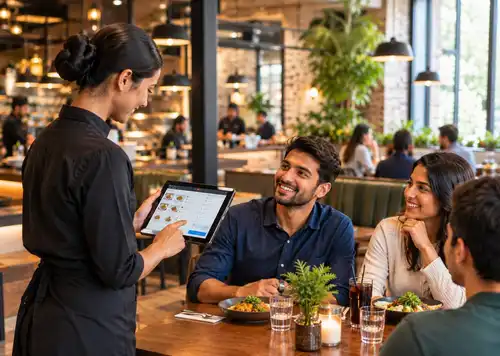
What is a menu board?
A menu board is a sign that displays the items available at a restaurant or other foodservice establishment. It may be written in the form of a chalkboard, a whiteboard, or a printed sheet of paper.
Menu board
Updated On: January 19, 2023 | Published On: November 07, 2022 |

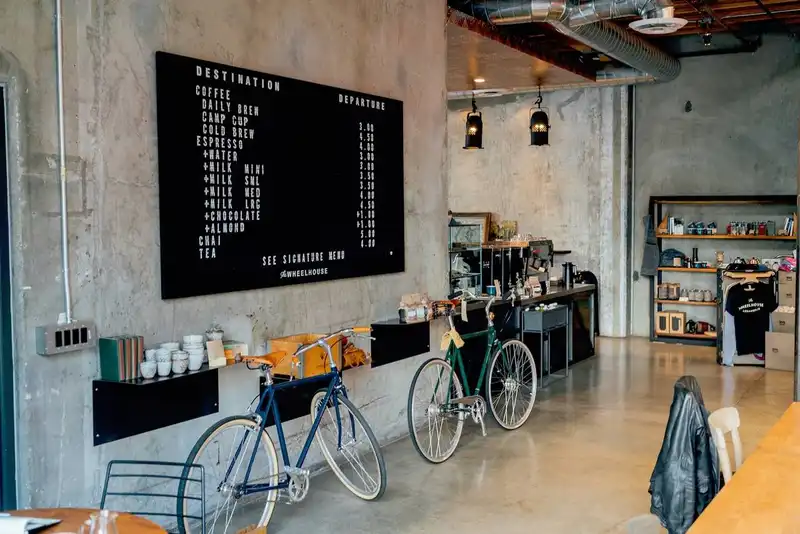
A menu board is a sign that displays the items available at a restaurant or other foodservice establishment. It may be written in the form of a chalkboard, a whiteboard, or a printed sheet of paper.
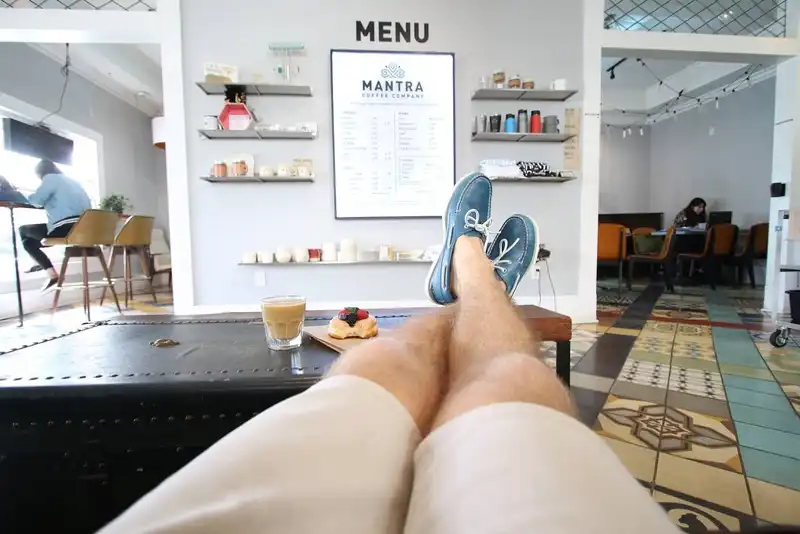
A digital menu board, a sub-segment of digital signage technology, is an electronic display that shows items of food and drink available for purchase at a restaurant or other foodservice establishment. The menu board can be static, which means it does not change; or it can be dynamic, which means the content on the screen can be updated and changed as needed.
Digital menu boards are often used in quick-service restaurants (QSRs), fast-casual eateries, and other retail food businesses where speed and convenience are important factors.
Many restaurants have undergone a major overhaul in the last three years, thanks to the pandemic that changed customer preferences. There have been decisive changes in operational procedures, one of which involves the display and delivery of menu items. Most of the bigger restaurant chains have outfitted their drive thrus with digital menu boards so that customers have easy access to the menu, while following social distancing norms at the same time.
The last few months itself have witnessed several contracts signed between well-known restaurants and digital signage companies. The fire-grilled chicken restaurant chain El Pollo Loco brought Navori Labs to power its digital menu boards at 150 locations. Godfather's Pizza in Nebraska relaunched recently after months of renovation with snazzy digital restaurant menus. Then, Mood Media, a media company, announced its partnership with Lightspeed, a global commerce platform for business owners, to provide Lightspeed's restaurant clients with a powerful, integrated digital menu board POS solution.
A restaurant operation involves multiple moving parts, and menu management is one of the most demanding of these. Digital menu boards have several advantages over traditional signs- they make menu displays visually appealing; a digital menu board can help a restaurant save money on paper and printing costs, and update menu items quickly and easily; they allow restaurants to display nutritional information, allergen information, and other relevant details to customers. In short, they improve transparency and enable better customer service.
Digital signage is today a powerful marketing tool. Around 74% of QSRs ranked digital menu boards a top priority, according to the International Food and Beverage Technology Association (IFBTA). Restaurants with digital menu boards don't only have the power to display everything on their menu but, with efficient content management, they can also implement better queue management techniques. What's more, in addition to menu information, digital boards allow a restaurant to stream entertainment and effectively plan marketing campaigns.
However, to increase the efficacy of digital boards, it is important to meticulously choose each component of the signage system, from hardware and software, to location and content. If this is your first foray into digital signage, you may be surprised by the range of options available in each category. Let's look at them in detail.
Budget is the primary factor when determining which hardware to go with. Larger displays with more features naturally come at a higher price-point. But going too small or skimping on features could undermine the effectiveness of your signage. It is always recommended to work with a trusted technology partner to get all the required help and tools you need.
The type of digital board a business needs depends on the type of business it is. For a mall, a static board with store locations will suffice. Restaurants however have many menu items that can't be displayed on a single screen. So, it has to opt for multiple screens or a video wall with changing content. For a digital restaurant menu to be effective, certain hardware components are essential. These include-

Intelligent, cloud-based reporting meets enterprise-class reliability.
Meet PLUM Point of Sale, an affordable and reliable alternative to traditional Point of Sale software.
For digital restaurant menus to work well, it's important to choose software that compliments hardware. The software should facilitate remote control of screens and content, and allow changes or updates.
There are several software solutions for digital displays. Some provide drag-and-drop interfaces to allow users to create their content, some help with live video displays, and some let users make changes to the content without trouble -- good content management software is the key.
El Pollo Loco, for instance, needed a technology solution that enabled dynamic content updating and visual displays for its digital restaurant menus. Navori Lab's centralized content management system worked well across all restaurant locations. "We just add the menu item number for the locations that we want the new price population to occur," said Clark Matthews, VP of information technology, El Pollo Loco, in a news article.
Similarly, NoviSign (with a client-base of 20,000, including Disney and Papa John's Pizza) lets users produce custom-made displays with easy-to-navigate interfaces and easy-to-integrate information through RSS feeds, widgets and apps.
The most effective digital menu boards are the ones that let you design and create your own menus. They may include Adobe Photoshop or Illustrator to help you create visuals. Alternatively, you might use a tool like Canva, which is specifically designed to create marketing material, including menus.
Beyond that, one needs a place to host digital menu boards. If you're using a platform like WordPress for your website, you may have access to plugins that can add digital menu boards to your site. Otherwise, look into stand-alone services specializing in digital menus (like MenuTech).
It is best to sift and choose. Opt for a partner program and collaborate with tech companies that facilitate such services, if it seems like a task.
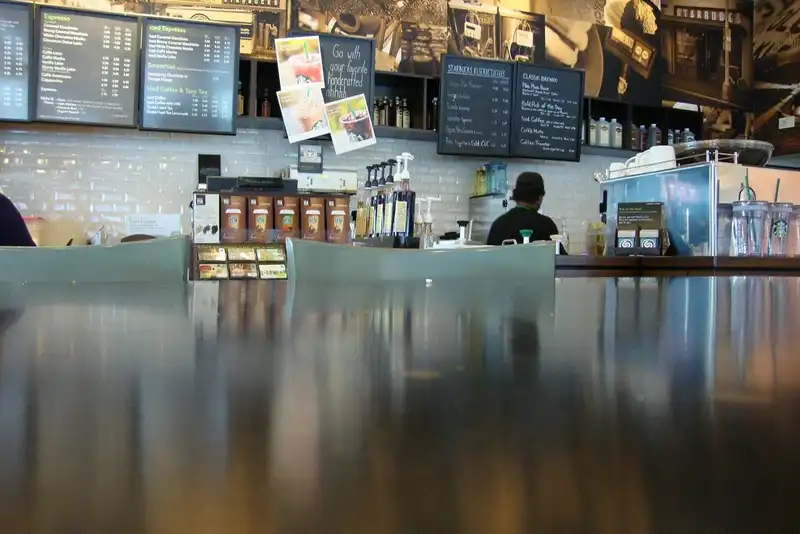
One of the most important aspects of running a restaurant is creating a menu that is appealing to customers. Design elements are always the first draw. The layout, color scheme, typography, and imagery combine to create a unique and cohesive look representing the establishment's brand proposition. For a digitally-savvy world, this means creating a menu that is easy to navigate and understand. Menu items should be easily identifiable. Effectively balancing these elements can make a big difference to your design. Here's how to do this-
Different restaurants have different needs, and these largely depend on business goals. A fast-casual restaurant with limited items may have an easy job when it comes to planning a digital menu board. But a full-service restaurant would need to include many menu items without cluttering its electronic menu board. One of the important aspects to consider in both cases is the overall design and layout of the restaurant menu board, and ensuring that all the food items are listed and easy to find. Include specials or promotions on the menu board.
Planning content for a digital restaurant menu board doesn't have to be difficult -- there are a few key points you should keep in mind. First, think about the overall look you're going for with your board. Do you want it to be sleek and modern or fun and funky?
Once you know this, select photos or food videos that best fit that aesthetic. Make sure the content is easy to read, particularly when customers only have a few seconds to glance at it when deciding what to eat. To this end, consider using a short description next to each item on the menu board; bullet points work well. Remember to include pricing information -- even if the photos tempt people, they may only order something if they know how much it costs.
Intelligent, cloud-based reporting meets enterprise-class reliability.
Meet PLUM Point of Sale, an affordable and reliable alternative to traditional Point of Sale software.
When determining the placement of digital menu boards for restaurants, it's important to experiment and find what works best for particular restaurant layouts and customer-bases. It also makes sense to consider customer behavior and flow pattern. In addition, consider placing the boards in high-traffic areas where customers can look at them while waiting in a queue. When placed near the register, customers can see them while completing their purchase.
However, one key aspect is ensuring that the boards are visible from all parts of the restaurant. This will help diners spot them easily, regardless of where they're sitting or standing.
Place the boards sightly away from bright light sources, such as windows or doors, so that the menu can be read easily without being washed out by glare. Also, choose a location that isn't obstructed by furniture or other objects in the room.
A good place to start is with one of the restaurant's walls. It provides maximum flexibility in terms of visibility and placement. If you have multiple screens, consider mounting them on different walls so that guests can view them from different angles. This will prevent congestion around a single display.
The average American spends at least an hour driving each day. It's why many restaurants strategically place digital menu boards in their drive thrus -- to help reach potential customers who may be too busy to stop and step into the restaurant.

With all the different foods and beverages available at a restaurant, it can be taxing to keep track of everything and ensure that it the menu is always up-to-date. A digital menu board can help by organizing everything in an easily accessible format and ensuring that the information is always accurate. It can also help create a more engaging and visually appealing customer experience. Graphics and videos give customers a better idea of what a dish looks like and how it tastes, which increases the likelihood of a customer ordering it.
Intelligent, cloud-based reporting meets enterprise-class reliability.
Meet PLUM Point of Sale, an affordable and reliable alternative to traditional Point of Sale software.
There is not a specific way to use a menu board on a TV. It depends on the type of menu board and what it is being used for. For example, a menu board could be used to display a list of options that can be selected, such as a list of TV channels or a list of video games.
There is no one-size-fits-all answer to this question, as the best way to make a menu board will vary depending on the specific needs of the business. However, some tips on how to make a menu board include using eye-catching colors and fonts, as well as including clear and concise information about the food and drinks that are available.
There is no set price for drive thru menu boards as the cost will vary depending on the size and style of the board as well as the materials used. However, you can expect to pay anywhere from $100 to $1,000 for a high-quality menu board.
A menu board is a sign that displays the items available at a restaurant. It may be a physical sign that is hung on the wall or a chalkboard that is placed on the counter. The menu board typically lists the items available, along with their prices.
2026-10-12
Read More