Why should my restaurant use a modern cloud POS?
It runs orders, payments, and reports from any device. You can see sales anywhere, serve faster, and cut errors, all without costly on-site servers.
POS systems
Updated On: November 04, 2026 | Published On: November 04, 2026 |

It runs orders, payments, and reports from any device. You can see sales anywhere, serve faster, and cut errors, all without costly on-site servers.
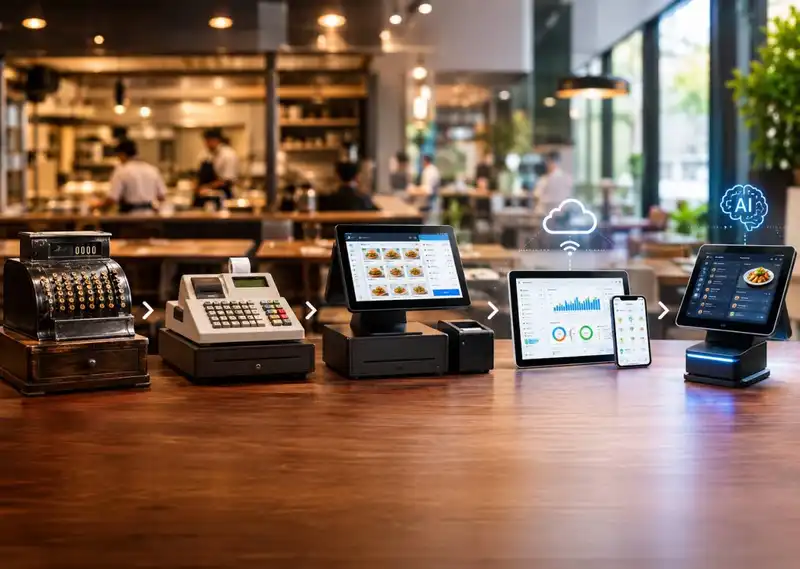
Forty years ago, a restaurant POS system could do little more than ring up a total and print a receipt. Today, that same box on the counter handles online orders, inventory, staff schedules, loyalty programs, and AI-driven sales predictions, often from a single screen.
That jump didn't happen overnight. It took decades of small, practical upgrades, each one solving a problem restaurant owners were actually dealing with. In this blog, we'll walk through how restaurant POS technology got here, from the first electronic registers to the cloud and AI-powered systems running today, and what it all means for how restaurants operate now.
Before getting into the history, it helps to define the term. A restaurant POS system is simply where a transaction gets finalized, whether that's a table paying their check, a to-go order at the counter, or a delivery order coming through an app.
Before POS systems existed, this meant adding up totals by hand and writing out receipts. Automating that process didn't just save time; it cut down on errors and gave owners a much clearer picture of what was actually happening in their restaurant. Over the years, POS systems grew from simple billing tools into full platforms that touch nearly every part of running a restaurant.

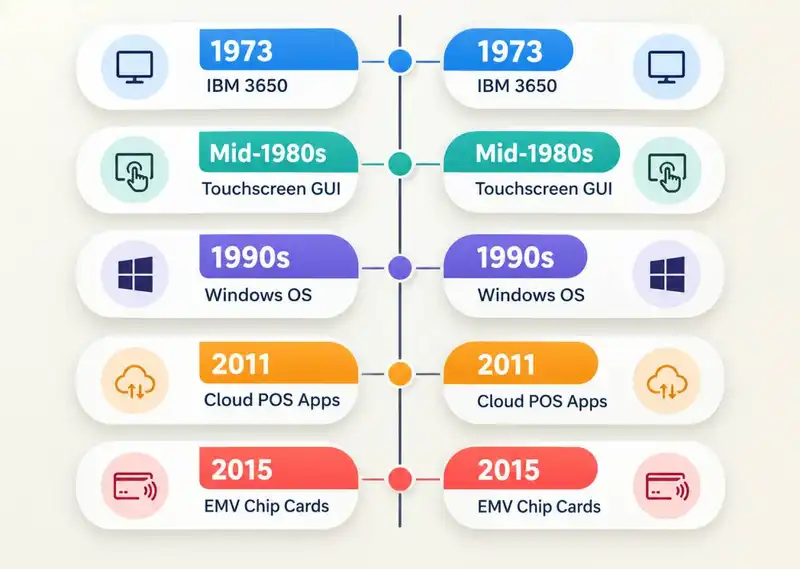
The story starts in 1973, when IBM introduced the 3650 and 3660 Store Systems, early computer-driven registers that could connect and control up to 128 terminals from a single central system. It was a major leap from mechanical cash registers, and by 1974, versions of this technology were already running in stores like Pathmark and Dillard's.
For restaurants specifically, these early systems could send orders to the kitchen in a more organized way and print a clean, itemized receipt, something that sounds basic now but was genuinely new at the time. For the first time, owners could reliably see how much cash should be in the drawer versus what should go to the bank.
The catch? Most of these early systems couldn't process credit cards directly. Card payments still had to be phoned in and approved manually, which slowed things down at the register and left plenty of restaurant owners skeptical that this new technology was worth the hassle.
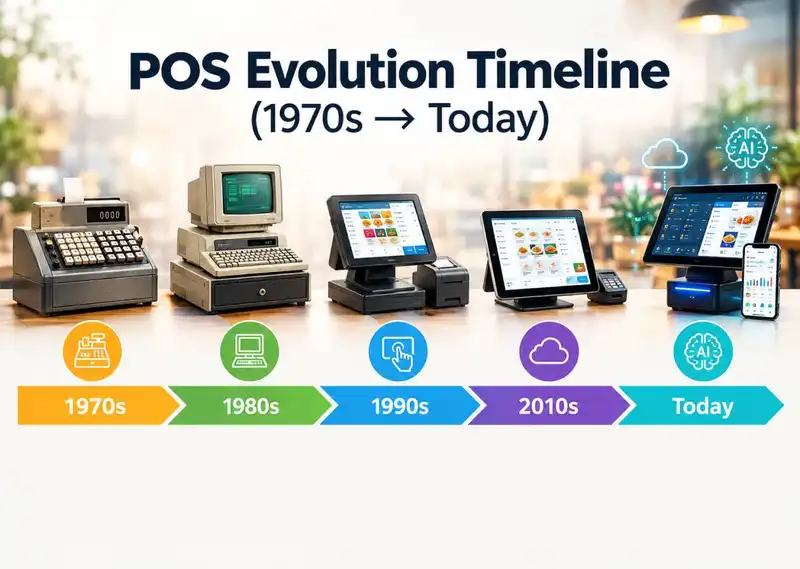
Everything shifted again in the 1980s, as personal computers became affordable enough for restaurants to actually use. Running POS software on a standard PC gave owners far more flexibility, including basic data analysis and reporting that simply hadn't been possible on the older, closed systems.
One of the biggest milestones came from Gene Mosher, a restaurateur-turned-software developer who built one of the first graphical, touchscreen POS interfaces in the mid-1980s, running on the Atari ST. It's a detail that shows up a bit differently across historical accounts; some sources point to 1985, others to 1986, but the impact is well documented either way- touchscreen ordering made staff training faster and service noticeably smoother, and the interface style Mosher pioneered became the template much of the POS industry still follows.
By the 1990s, Windows-based POS software building on Microsoft's push into business computing made PC-based systems accessible to a much wider range of restaurants. Windows brought-

By the late 1990s, restaurants started linking their POS terminals together over local networks (LANs), connecting registers to back-office computers via Ethernet. That made it possible to handle more data, run better reporting, and get a clearer view of the whole operation from one place
But these systems still had real limitations. Because everything ran on local, on-site servers-
The early 2000s brought the first wave of internet-connected POS systems. These were a step forward in basic reporting, with some early online ordering but still fairly limited compared to what came later. There was no cloud storage yet, and mobile ordering wasn't really a thing.
Because the early internet-connected options didn't offer much more than traditional systems, a lot of restaurants stuck with what they already had. The shift toward internet-based POS happened gradually, tracking along with cheaper, faster internet access.
The real turning point came in the 2010s. By around 2011, cloud-based POS systems were gaining real traction, and restaurants could suddenly manage everything from any device with an internet connection, no longer tied to a single terminal or location.
A few other things landed around the same time and reinforced each other-
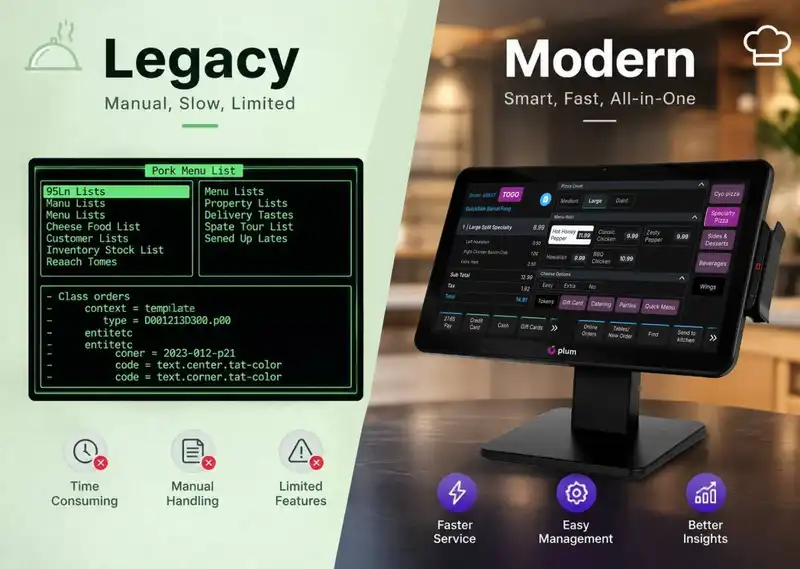
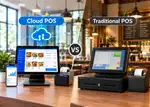
| Feature | Legacy Cash Register | Modern Cloud POS |
| Data Storage | Local (Paper records or on-site hardware) | Secure Cloud (Automated backups, access anywhere) |
| Primary Role | Rings up sales and holds cash | All-in-one restaurant management platform |
| Accessibility | On-site only | Remote access from any web browser or device |
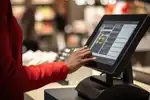
| Hardware | Bulk, fixed counter machinery | Sleek touchscreen terminals, tablets, and handhelds |
| Integrations | Standalone (Requires manual tallying) | Syncs with kitchen displays, inventory, & online ordering |
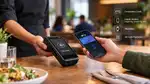
If the 2010s were about getting to the cloud, the years since have been about what restaurants can do once they're there. A few developments changed how customers order and pay in ways that are easy to take for granted now-
Beyond the feature list, modern POS technology is reshaping the industry in two big ways.
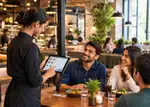
Service is getting better- With handheld devices and mobile ordering, staff can stay out on the floor instead of running back and forth to a fixed register. That means they're actually near guests when something needs attention a refill, a question, a problem instead of being stuck at a terminal.
Labor needs are shifting- Smart use of a POS system can mean running a slightly leaner floor, maybe one fewer server during a slower shift, or skipping an extra line cook when order volume doesn't call for it. Labor and sales reports also help identify which staff are consistently delivering strong service, which makes scheduling and coaching decisions a lot easier.
Looking ahead, a few trends are shaping what comes next for restaurant POS systems.
Ordering is moving increasingly toward guests' own phones, cutting down on how much staff time goes into simply taking an order. At the same time, financial reporting is getting more detailed, loyalty programs are becoming more tightly built into the POS itself, and payment options keep expanding alongside stronger security to protect both the restaurant and its customers.
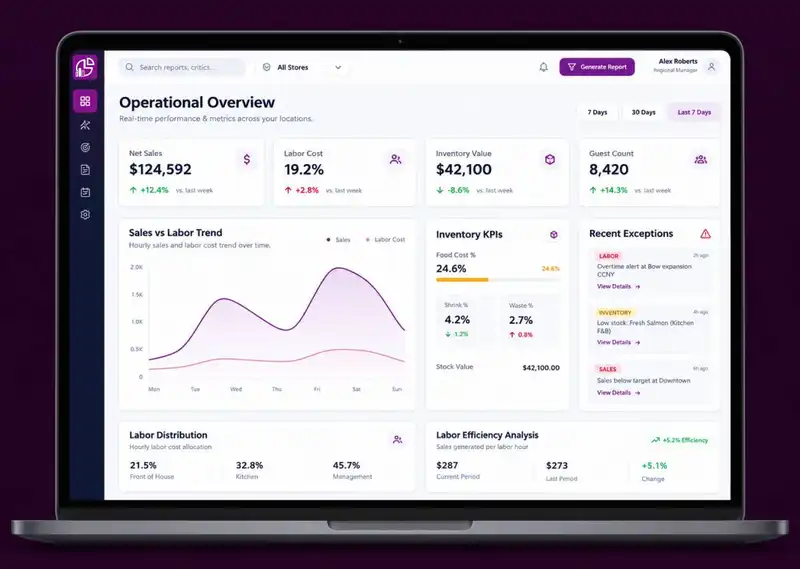
The biggest shift, though, is coming from AI and machine learning, and the practical uses are more specific than most people expect-
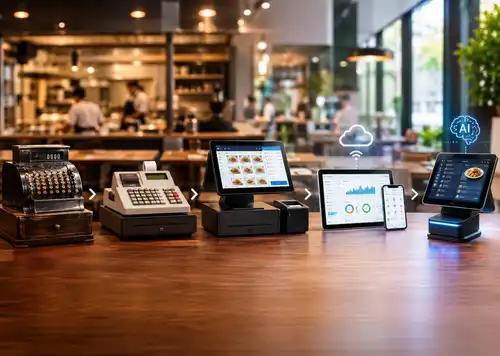
The path from simple electronic registers to today's cloud- and AI-powered platforms tells the story of the restaurant industry itself. Each stage electronic records, PC-based systems, networking, the internet, the cloud, and now AI solved a real problem restaurants were dealing with at the time, and each one left restaurants a bit more efficient and better equipped than before.
As the industry keeps changing, POS systems will keep playing a bigger role in how restaurants run day-to-day, how they connect with guests, and how they stay profitable. Restaurants that keep pace with this technology tend to be in a much stronger position to adapt, grow, and deliver a better guest experience in an increasingly competitive market.

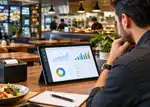
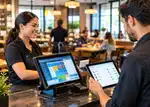
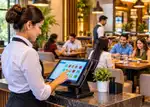
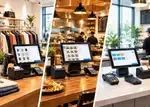

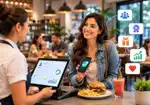
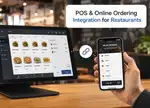
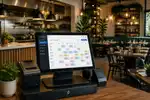

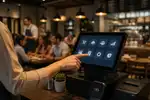
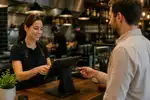
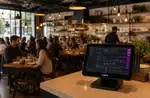
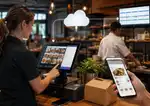
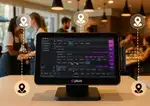


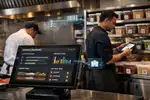
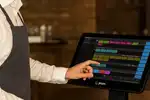
























Order management, payment processing, inventory tracking, analytics and reporting, customer relationship tools, and integrations with online ordering platforms. Together, these features streamline operations and support stronger service.
Expect more AI-driven forecasting and scheduling tools, continued growth in mobile and contactless payments, wider use of self-service kiosks, and more automation across the board, all aimed at running leaner and giving guests a more personalized experience.
They help restaurants run more efficiently, cut down on errors, manage inventory, and improve the guest experience. They also provide real-time insight that supports better day-to-day decisions and long-term growth.
Cloud POS lets owners access their data from anywhere, manage multiple locations without being on-site, and avoid the high upfront cost of on-premise hardware. Updates also happen instantly, which adds a level of flexibility older systems couldn't offer.
It's the shift from basic cash registers to sophisticated digital platforms that handle billing, inventory, customer data, and full restaurant management. Along the way, these systems became more connected, more mobile, and far more data-driven.
2026-11-02
Read More